Sales Book Summaries: AI-Powered Learning for Better Deals
AI-powered sales book summaries turn classic sales methodologies into coaching reps actually apply on calls. See how to use them to close more deals in 2026.

What are AI-powered sales book summaries?
AI-powered sales book summaries condense the frameworks from classic sales books — SPIN Selling, The Challenger Sale, Gap Selling, New Sales. Simplified. — into a format reps can apply on their next call. The best versions do more than summarize: they turn each book's methodology into a scorecard, then grade every call against it so reps see where they applied the framework and where they didn't.
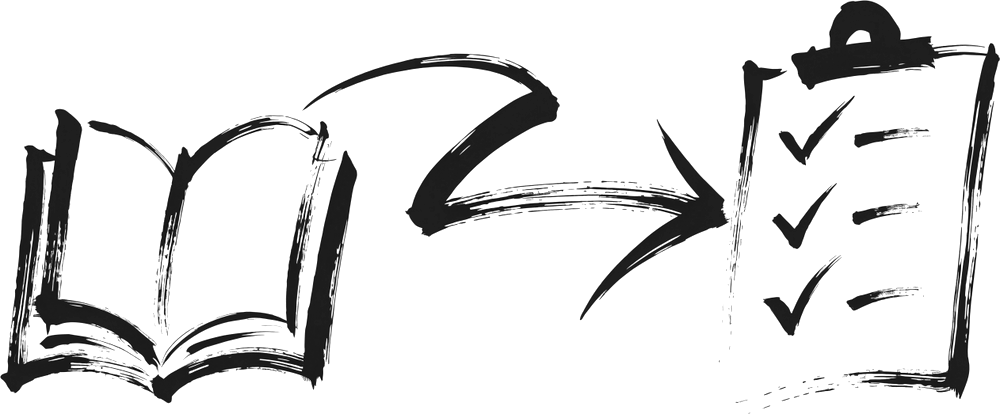
Reading a sales book takes 8 hours. Watching an AI-generated summary takes 15 minutes. Neither one changes rep behavior. What changes behavior is scoring the next call against the framework in the book and giving the rep feedback within minutes of hanging up. That's where AI stops being a Blinkist clone and starts being coaching.
Why most sales book learning doesn't stick
A rep reads The Challenger Sale on a Sunday afternoon. On Monday they get on a discovery call and sell exactly the way they did the week before. This is the industry's open secret: enablement doesn't convert to behavior change.
The numbers back it up. HubSpot's 2024 state of sales report found 82% of sales professionals say AI helps them gain valuable insights from data, but only 41% use it to understand their buyer. The gap between knowing and doing is where quota attainment lives.
Three reasons book learning doesn't stick:
- No application loop. The rep learns the framework in isolation, then has to translate it to a live call where a prospect is pushing back on price. The cognitive load is too high.
- No feedback. The rep thinks they ran a Challenger-style "commercial teach" when they ran a product demo with extra steps. No one tells them.
- No reinforcement cadence. The book is read once. Methodologies take 20–50 repetitions to become instinct.
AI-powered summaries fix the first problem: speed to knowledge. Without a scoring layer, they don't fix the other two. Reps still read, still forget, still revert.
What AI should actually do with sales books
Three things, in order of impact:
Compress the book to the usable framework. Not a chapter-by-chapter recap. The five SPIN question types. The three Challenger profiles. The problem-pain-impact-root cause structure in Gap Selling. A rep should be able to read it in 10 minutes and know what to try on their next call.
Convert the framework into a scorecard. This is the step most summary tools skip. For SPIN Selling, the scorecard asks: did the rep ask Situation questions? Did they progress to Implication? Did they land on Need-Payoff? Yes/no, every call, scored automatically.
Score every call against it and feed back fast. Within minutes of the call ending, not next quarter in a QBR. The rep sees their own scorecard, spots where they skipped Implication questions, and tries again on the next call. That's a reinforcement loop a book can't give them.
Reading time matters less than application reps. A rep running SPIN on 20 calls with scorecards after each one will outperform a rep who read the book cover to cover and ran it from memory.
How Demodesk turns sales books into coaching
Demodesk's AI Coach is built around this loop. You pick a methodology — MEDDIC, BANT, Challenger, SPIN, or your own — load it as a custom scorecard, and every call is scored against it within minutes of the call ending.
Here's what that looks like in practice:
A rep reads a 10-minute AI summary of Gap Selling on Monday morning and learns the problem-pain-impact structure. They run four discovery calls that week trying to apply it. After each call, Demodesk scores them on whether they identified the problem, quantified the pain, and uncovered the root cause. By Friday, the rep has four data points on their own application of the framework. They see they're nailing problem identification but skipping the quantification step every time. On Monday's team meeting, their manager has one call to review — the one where the rep almost got there and then pivoted to product.
That's the loop. The book provides the framework. The AI provides the scoring and the mirror. The manager provides the human touch on the one or two calls per week that need it.
The alternative — the status quo at most sales teams — is that the manager tries to coach 10 reps on everything they read, listens to a handful of calls per month, and gives feedback in a 1:1 three weeks after the behavior happened. 73% of sales managers spend less than 5% of their time coaching because the math of listening to calls one at a time doesn't work.
Scoring every call automatically flips that math. Managers go from reviewing 5% of calls to reviewing the two or three per week that are worth a human conversation. Reps go from reading a book and hoping to reading a book and running it 20 times with feedback.
Which sales books convert best to AI scorecards
Not every sales book turns cleanly into a scorecard. The ones that do share a structure: explicit stages, observable behaviors, and a repeatable sequence.
| Book | Framework | What the AI scorecard checks |
|---|---|---|
| SPIN Selling (Neil Rackham) | Situation → Problem → Implication → Need-Payoff | Did the rep progress through all four question types? Did they land on Need-Payoff? |
| The Challenger Sale (Dixon & Adamson) | Teach → Tailor → Take Control | Did the rep bring a commercial insight? Did they reframe the buyer's problem? Did they handle pushback with confidence? |
| Gap Selling (Keenan) | Current state → Future state → Gap → Impact | Did the rep quantify the gap? Did they tie it to business impact? |
| MEDDIC / MEDDPICC (Dick Dunkel) | Metrics, Economic Buyer, Decision Criteria, Decision Process, Identify Pain, Champion | Each letter becomes a yes/no field, scored and tracked across the deal. |
| New Sales. Simplified. (Mike Weinberg) | Target → Message → Call → Discovery → Qualification | Did the rep deliver the compelling value prop in the first 90 seconds? |
| Never Split the Difference (Chris Voss) | Mirroring, labeling, calibrated questions, "no"-oriented questions | Did the rep use tactical empathy? Did they get to a "that's right"? |
Books that don't convert well: anything heavy on mindset, general career advice, or storytelling without a repeatable structure. Those still have value — just not as a scorecard.
The three-week rollout: book to behavior change
Teams that get real behavior change from this pattern follow a tight cadence.
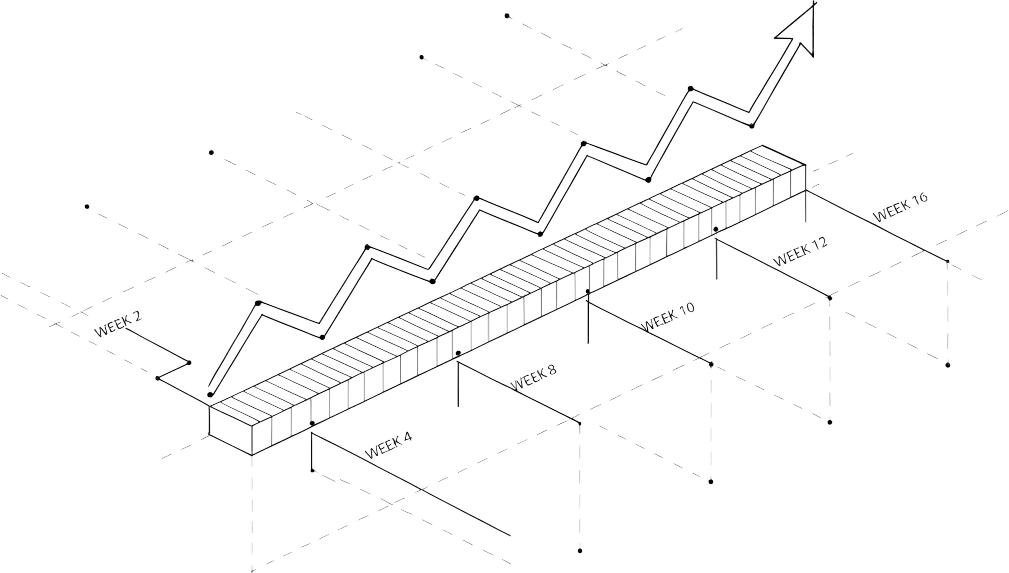
Week 1 — Load the framework. Pick one book. Not three. Load the AI summary (your enablement team can produce one in an afternoon, or use a marketplace skill). Pick five to seven observable behaviors from it. Build those into a custom scorecard in your coaching tool.
Week 2 — Run and score. Every rep runs the framework on every discovery call. Every call is scored automatically. Reps see their own scorecards. Managers see team-level trends — which criteria are green across the team, which are red.
Week 3 — Coach the gap. Managers run one 30-minute team session on the single lowest-scoring criterion. One or two 1:1s on individual outliers. By the end of week three, the framework is in the muscle memory of the team.
Then move to book two.
A team that runs this cadence quarterly ships four frameworks into rep behavior per year. A team that reads books and hopes ships zero.